japan under the shoguns
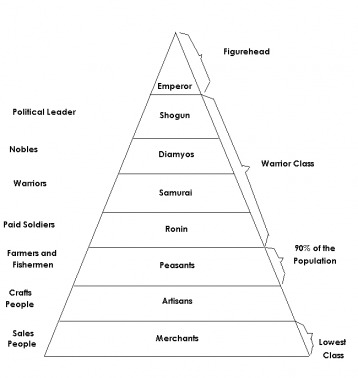 Differences in the social classes in Feudal JapanThe Merchant was looked down upon because they were in the lowest class. Even though the farmers were an honored class they still had to pay heavy tax's. Daimyo become more powerful because the landowners pledge there allegiance to them.The daimyo own large stretch of land, and a whole army. The principles of Bushido emerged as during this period of peace is that the principles of Bushido emerge as a general code of conduct of japan.The emphasis of Bushido is on military skills and fearlessness in the face of the enemy. The samurai in peaceful japan is many samurai were force to become bureaucrats.
ConclusionWith the daimyo to Edo in the system of alternate attendance with his family and a large number of servants. The merchants and artisans flock to Edo is to provide the goods and service needed by the daiymo, samurai and their families. The agricultural productivity increased because more widespread peace better farming discovered and shared among japans farmers. The benefits of population growth, created more people to produce goods and spread money. Soria especially criticize merchants for robbing them of their slavery the magistracy of their pay fell to the merchants edo. The alternate attendance systems affect the samurai because they received lower sabra because alternate of attendance drained the daimyo of money. 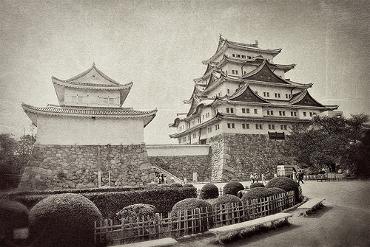
| The key beliefs and vaules of Feudal Japan Shinto was a belief system in Feudal Japan and means way of the gods. Karmi are shinto gods and goddeses associated with trees, rocks, rivers, animals, places and people. The male creator god Izanagi created the entire cosmos in paticular the islands of Japan. Amaterasu, the sun goddess was born from left eye socket of Izanagi. Amaterasus image,the sun appears on the Japan flag. In Japan, members of the emperor's court were among the first buddahist converts but after the new faith spread throughout Japan. Buddahism offered spritual understanding of death and the world beyond,and this resulted in funerals becoming buddahist ceremonies. Shinto and Buddhism complemented each other and were practised in unison.
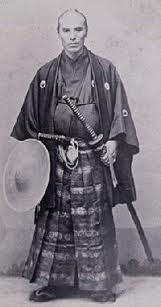
Similarities in the social classes in Fedual Japan A similarity in the social classes in Feudal Japan was that each class had clear codes of conduct and all classes depended on each other. A merchant could only talk to a member of a higher class only when selling or trading. Wealthy merchants became more powerful although they were not respected because people believed they robbed the farmers of their money. Artisans were more highly regarded than merchants because they made made objects useful to society. Some things that artisans made were clothes, pottery and cooking utensils. The artisans made samurai swords called Katina. Food was valuable in Feudal Japan as there was very little land. Farmers were an honored class as they produced food which everyone needed but they had to pay heavy taxes. Large landowners called daimyos had samurai warriors to protect them and their land. The samurais swore to show kindness and to look after the poor. Above the daimyo was the shogun who was the military ruler of Japan and he held the real power. The emperor was the ruler but was more of a religious leader and was involved in ceremonies and rituals. The shogun did consult with the emperor in certain matters.
The youtube clip is called fedual japan 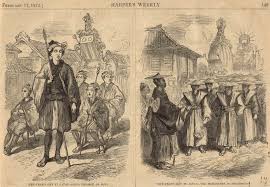 |


by Brittany White
7Patterson
Philosophy
Your child will have the opportunity to pursue a range of extracurricular activities to complement his or her rigorous academic curriculum. Our low student-to-teacher ratio ensures that your child gets the attention he or she deserves.
We invite you to come visit our school and learn more about our philosophy for preparing your child for success.
